SEO Tips for Your Rental Property
Are you a rental property owner looking to get more online exposure?
Search Engine Optimization is an effective and essential tool in a landlord's toolbox to increase the online visibility of their rental property.
This article will explain how to create an SEO-friendly website, acquire backlinks, optimize your content for search engines, analyze your results, and so on.
Hang on; this is going to be full of value bombs!
1. Start With a Site Audit
Well begun is half done, they say. A site audit is a technical analysis of your website to identify its strengths and weaknesses from an SEO perspective.
A thorough audit will provide insights into how search engine crawlers view the content on the page, enabling you to identify any technical issues that could negatively impact your ranking in search results and make improvements accordingly.
An audit also covers different elements of your website, including analyzing content, assessing keyword density, pinpointing toxic backlinks, and lack of meta descriptions. It also helps you determine which keywords are best suited to target prospective renters and identify areas where additional content could be beneficial.
A professional audit should also include an analysis of your competitors' websites to determine what content and keywords they are using (and missing!) in their organic search efforts. Analyzing your rivals can provide insight into their moves, enabling you to outperform their strategies.
2. Find Golden Nugget Keywords
Not all keywords with a high volume are profitable, and many may be too competitive and just not worth your effort. You need to find highly relevant keywords to your niche and have a decent search volume and low competition.
Start by researching what potential renters may type into search engines when looking for a rental property in your area.
Think about the kind of words they could use to describe their ideal place and map out relevant phrases like “apartment,” “rental,” and “location” with additional terms such as “with balcony” or “pet-friendly apartments."
Remember: The goal is to find keywords that aren't too specific and are easy to rank for.
To begin, think about what makes your rental unique compared to other local rentals. What amenities or features set it apart?
Make a list of these distinguishing characteristics, as this list could be used as potential keywords when searching online.
Also, research the local area to include any popular attractions or landmarks; this will allow you to zero in on geographically specific terms, which can increase search visibility in that particular region.
For example, potential tenants may search for "Lake Tahoe cabin rentals" or "Poconos Vacation Rental." And if you have already optimized for those keywords, you will rank higher in the search results.
3. Don't Ignore Internal Linking
Internal links are akin to signboards in a sprawling shopping mall directing potential customers to where they want to go. So it's unwise to overlook internal linking within your website.
Ponder. You've already done the hard work of creating a rich and highly-relevant website; why miss any opportunities for additional traffic, leads, or sales?
Internal links can be used for multiple purposes on your rental property website. They can direct users to pages that contain more information about the services or amenities you provide at your rental property, such as pet-friendly options or disability access features.
These links also give users quick access to important pages like contact information or frequently asked questions sections.
4. Acquire Backlinks from Relevant Sites
Backlinks are virtual equivalents of a "Hey, I agree with this guy. You should listen to what he has to say." type of endorsement. If someone has linked to your website, they think you have something of value to offer. It's as simple as that.
You could approach the process in multiple ways.
For example, let's take the "Lake Tahoe cabin rental" example. Assume you own a couple of cabins near lake Tahoe.
The local tour operators could be your excellent source of quality backlinks. Tour operators often work with multiple businesses in the same industry and often link to each other’s websites as part of their marketing network.
You can take advantage of that by asking the tour operator to link to your site.
In return, you could provide one of their clients with a backlink from your site (because 1:1 link exchange is frowned upon by search engines).
5. Make Your Website Mobile-friendly
We are not going to bore you with statistics. The fact is that if you have an old website not built with mobile accessibility in mind, it is time to upgrade it to a responsive design.
The most critical step for creating a great mobile experience for visitors is to ensure that the site is optimized for different devices. This means ensuring that it looks good on desktop and mobile screens and is easy to navigate across all platforms.
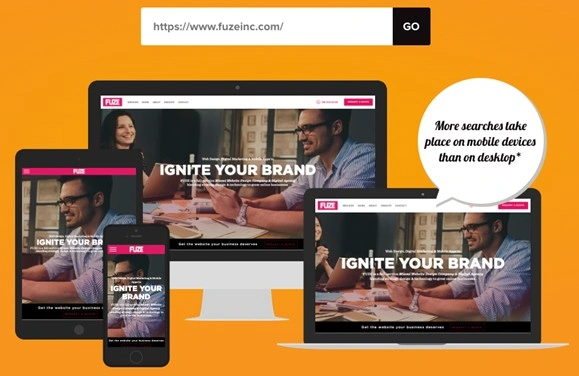
To do this, start by testing each page of your website on multiple devices – from smartphones to tablets – to check that everything looks right and works properly.
6. Invest in Content Optimization Tools
Machines may lack emotions, but they rarely make mistakes. Every time a search engine crawls your website and analyzes it, it may find something that you have done wrong. Use content optimization tools such as Surfer SEO to eliminate those mistakes.
It can be a powerful solution for optimizing web content to align with user searches and rank higher on search engine results pages. For example, Surfer SEO uses different metrics (thanks to its real-time SERP analyzer tool) to determine how well a web page is optimized for search engines.
For example, Keyword Density is one such. This metric tells you how often does a keyword appear on the page? This metric helps determine whether a page has too much or too little of a keyword.
Marketmuse is another incredible tool that assists in creating high-quality content by offering topic research reports with the help of its Artificial Intelligence (AI) content planning.
7. Ride on Local Keywords
Being a rental property owner, local keywords are your staple. Local keywords include the name of your city, county, region, state, or area in which your rental property is located, and these terms will help you get found more easily by potential tenants.
For example, to target Austin as a whole, besides including keywords such as “Austin apartments for rent” or “cheap apartments Austin Texas,” you can include local landmarks (in the keywords) close to the property, such as parks, tourist attractions, and downtown areas to target potential renters.
8. Focus on HARO
HARO is a platform that connects journalists and sources to help with research for articles and stories. Journalists post queries looking for experts or people with information related to their topic, and ‘sources’ respond with helpful answers relevant to the query.
It’s a great opportunity as a rental property owner to get your name out there by providing insights into your local market or expertise in property management. Sources who provide valuable information will even be mentioned in prestigious publications such as Realtor.com, The New York Times, Forbes, Wall Street Journal, and the Washington Post.
Once you get your name out there, you can build a network of journalists and sources who will reach out to you directly (instead of the HARO way!) when they need information in your area.
9. Build Local Citations
A local citation is an online mention of your business on a website or directory with relevant information such as your name, address, and phone number.
Local citations are especially beneficial for businesses operating within specific geographic boundaries because they send strong signals to search engine algorithms that you’re relevant within the area in which you operate.
As a property owner, you can use platforms such as Yelp and Superpages to obtain local citations. Although this might sound like a lot of work, citations can be built in just a few hours.
10. Take Advantage of Structured Data Markup
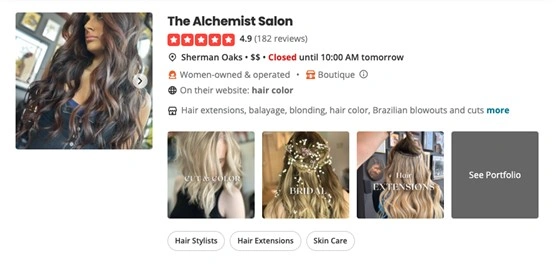
Structured data markup is a code that enhances SERP results by providing additional information about a page or website. The rich results can help draw attention to your rental property and make it easier to be found.
For example, if someone searches 'apartments near me,' having structured data markup on your website helps ensure that additional information about your rental property, such as the address, number of bedrooms, and price, is included in the search result.
The rich results can be a significant boost to your click-through rate and overall visibility.
11. Write About Emerging Topics
Writing about emerging topics is a great way to stay ahead and boost your SEO ranking. As technology and trends rapidly evolve, so do the needs of web users, which means there is always something new to write about.
By implementing SEO strategies that integrate fresh and relevant content into your website, you can ensure that your rental property stands out from all the rest.
When selecting topics for your website, look for current events related to your industry that are likely to generate interest among readers.
For example, if you own a vacation rental property in the mountains, consider writing about the trending winter sports and other activities in the area. If you have a beachfront property, you can write about the most popular local events, such as the annual surf competition.
12. Optimize Google My Business Profile
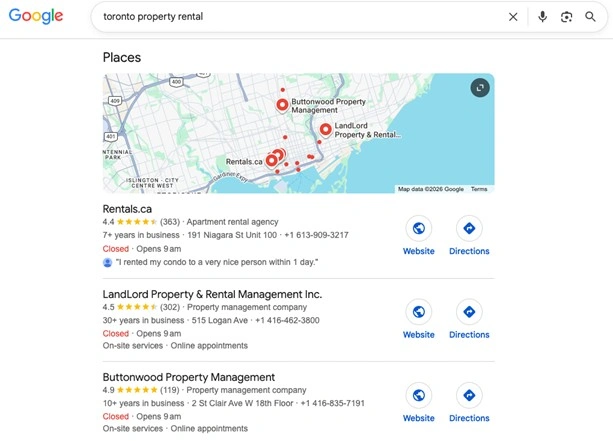
Google My Business is a powerful tool for local business owners to connect with potential customers.
Here are some tips for ensuring your GMB profile is as effective as possible.
● Include the best photos of your rental property.
● Create a great description that summarizes the appeal of your rental property.
● Include keywords related to location, amenities, and other factors that will show up in searches for potential renters.
● Add accurate contact information so people can easily reach out with questions or bookings.
● Keep an eye on reviews posted about your property and address any negative feedback quickly and professionally.
FAQs on SEO Tips for Rental Property
1. What Common Mistakes Do Landlords Make When Optimizing Their Websites For SEO?
Common SEO errors that landlords tend to make include neglecting keyword research, failing to optimize titles and meta descriptions properly, and not focusing on user experience.
2. What Are The Benefits Of SEO For Rental Properties?
SEO can help rental property owners to get their listings seen by potential tenants, increase website traffic, drive more leads, convert more visitors into tenants, and ultimately increase profits.
3. What Is The Best Way To Increase Traffic To My Rental Property Website Quickly?
Pay-per-click advertising campaigns with targeted keywords will allow potential tenants to find you more easily and quickly by searching directly on Google or Bing.